Case Studies

Selected research from fifteen-plus years in the field.

Go-to-Market New-market launch

Proving a new play proposition

A global toy and play brand

Before taking a new format into markets across East and Southeast Asia, the brand needed to know whether it would land. The format blended physical play with augmented reality and music, and the real question was whether children aged 7 to 12 would genuinely engage with it.

We ran a four-day online pre-task in which parents captured their child at play at home, an experiential, pressure-free read on how the format actually got used.

  • The music library is the product. Kids build around the songs they love, so the experience has to carry the current, trending tracks, not a generic catalogue.
  • Creative play plus safety is the opening. Content-creation apps already own music video-making. The space left to win is imaginative play with the safety parents are looking for.
  • Loved, but seen as traditional. The masterbrand is trusted yet reads as old-school. The new format can modernise it, as long as it protects the core of creativity and imagination.

Shopper Science Eye-tracking

Reading attention at the shelf

A leading fresh-produce brand

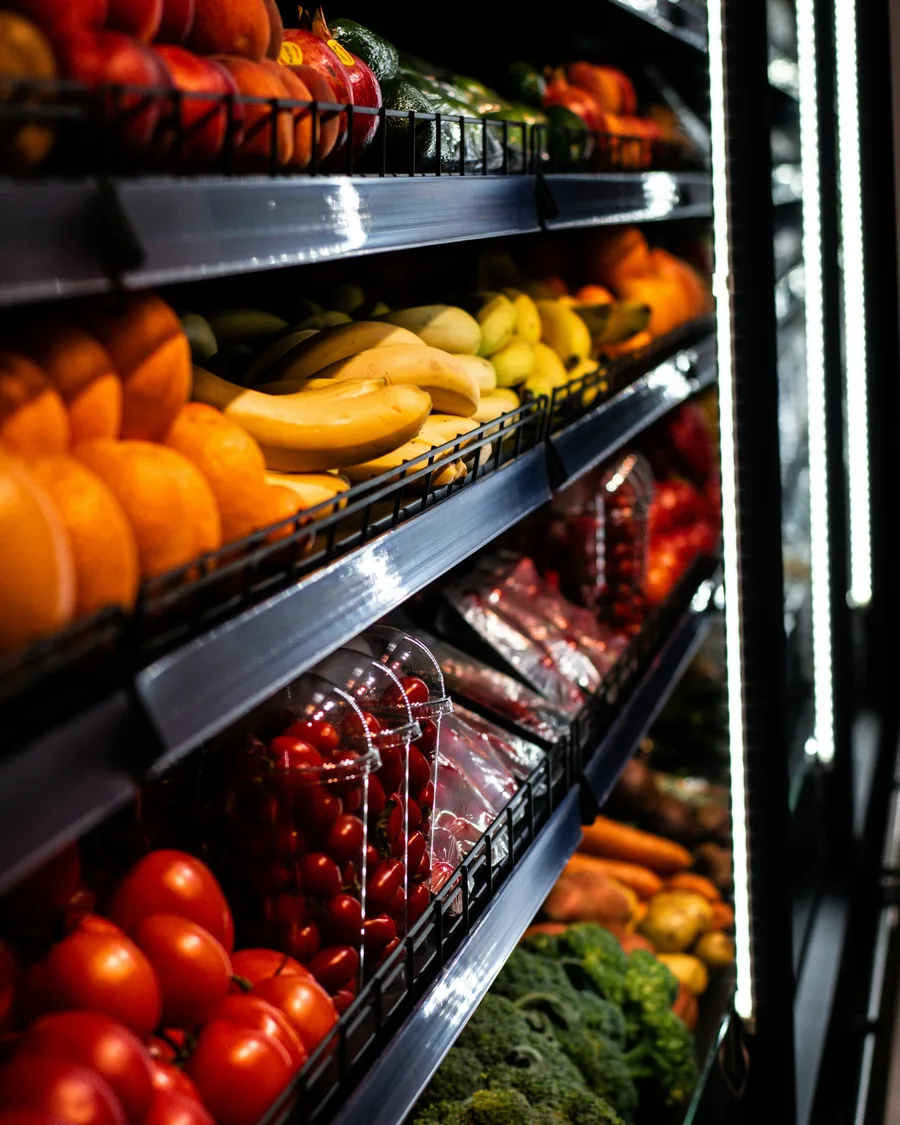
In a crowded fresh-produce aisle, the brand wanted to know what actually pulls a shopper toward its fruit, and what turns that attention into a purchase.

Using eye-tracking and behavioural science, we mapped the path through the aisle and decoded what the shelf's visual and sensory cues were really doing.

  • Taste is what shoppers buy on. Freshness and taste cues do the selling. The shelf has to amplify them, in both language and imagery, before anything else.
  • Attention is not the same as purchase. High-contrast, non-food colours grab the eye but can create dissonance. Standing out has to work with the category, not against it.
  • Lean into the tartness. The fruit's sharp, refreshing character is fixed in shoppers' minds. The win is to embrace it, not apologise for it.

Social Commerce Live shopping

Mapping the rise of live commerce

For brands entering live-stream selling

Social commerce was reshaping online retail, and the question was how far live-stream shopping could become a channel of its own, and what it changes for brands moving in.

We mapped the live-commerce landscape end to end and turned it into a playbook: what works, and where the traps are.

  • Price mechanics keep shoppers coming back. Beyond low prices, coins, coupons and flash deals build a loop that keeps viewers returning.
  • The host makes the product real. A good host stands in for handling the item in person: attentive, detailed and candid, they carry the sale.
  • Entertainment is the reason people stay. Live shopping is retail plus entertainment. The pull is the show, the personalities and the sense of a live event.

Sustainability Six SE-Asia markets

Decoding sustainability in Southeast Asia

A global dairy and nutrition company

A company with a long sustainability record wanted to communicate it in ways that resonate in Southeast Asia, where the word means very different things to different people.

Working across six markets in the region, we unpacked what sustainability means to consumers and how it shapes what they buy, with a focus on dairy.

  • The threat feels real now, not distant. Environmental damage is visible and personal. Consumers feel the consequences in daily life, not as a far-off abstraction.
  • Good intentions lose to immediate pressures. People are not indifferent, but comfort, safety and financial security come first. Initiatives gain traction when they translate into a financial or health payoff.
  • Make the sustainable choice the easy one. Action takes effort. Initiatives that fit existing habits, rather than demanding new behaviour, are far likelier to stick.

Brand Conversion QSR, Singapore

Driving conversion in fast food

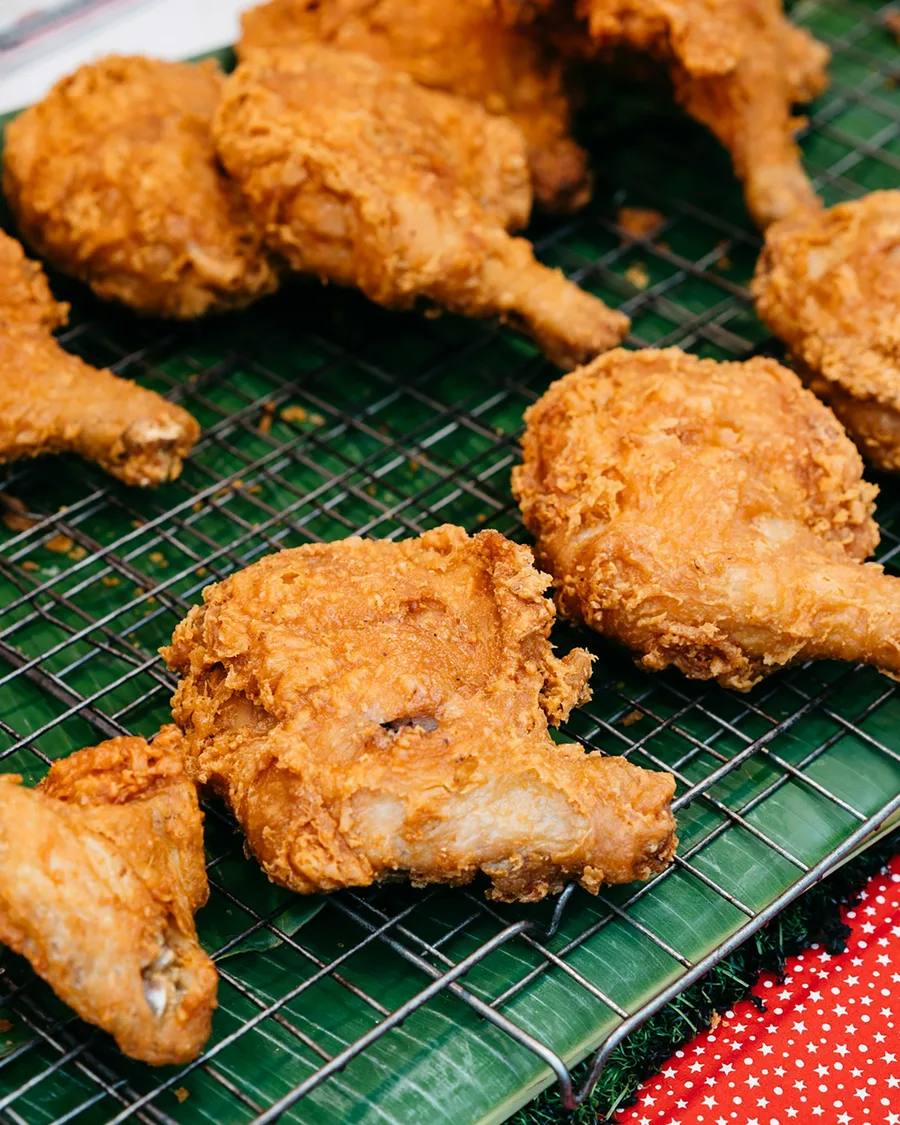
A quick-service restaurant's fried-chicken line in Singapore

Eating habits had shifted after the pandemic, and the brand set out to convert more of Singapore's fast-food buyers to its fried chicken, ahead of well-established rivals.

Short-term online communities let us get inside how people feel about the category and the brands competing in it.

  • Local flavour keeps the category fresh. Seasonal, locally inflected menus (salted egg, cereal, Nasi Lemak) keep regulars engaged and coming back.
  • Delivery habits are now permanent. Shoppers have settled into takeaway and click-and-collect, and many self-collect to dodge delivery fees. The app is where the choice gets made.
  • The household sceptics have come around. Older family members who once resisted fast food on health grounds are more open to it now, especially with a lighter side to reassure them.

Let's Talk

shahid@kasasha.net